Have you been thinking about breast implant exchange? Many women explore breast implant removal in Wellington, FL when their goals change. It’s a personal decision that completely depends on what’s right for you. Here’s a few questions that women commonly ask about the procedure.
FAQ About Breast Implant Exchange and Removal
How long does the surgery itself take?
If there are no complications, and an exchange is all there is, expect the surgery to last between one and two hours under general anesthesia. The exact time depends on whether the pocket needs adjustment, whether any firm capsule requires release or partial removal, and whether a lift is added in the same session. Once the old implants are out, the new ones are positioned and the tissues are closed in layers. Most women go home the same day.
Will the recovery feel different from my first surgery?
Many women find the second recovery easier because the pocket already exists and the tissues have already been stretched by the original surgery. You will still wear a support bra both day and night for the first week or two, and you can expect the swelling and tightness to peak in the first three to five days and then ease off. Most people can return to desk work within five to seven days.
Can I change the size or type of implant?
Yes! You can change the size, profile, fill (saline or silicone), and surface texture during the same operation. Your surgeon will measure the existing pocket width and the amount of soft-tissue coverage so the new implant fits the space without putting any excess pressure on the skin. Three-dimensional imaging in the office lets you preview the approximate volumes on your own frame before any decision is locked in.
Do I need new imaging before the exchange?
If your current implants are silicone, current FDA guidance recommends that you do a screening just to check for any silent rupture, if it’s been a few years since your last one. An ultrasound or MRI performed within the past year would give a clear picture of the shell integrity. Saline implants usually announce a rupture by visible deflation, so imaging is less critical with those unless there’s other concerns.
Will there be new scars?
In the majority of cases, the surgeon can just use the original incisions, which means no new scars. If a lift is performed at the same time, additional scars around the areola or vertically down the lower breast might appear because of the work done to tighten the skin envelope. Those scars will fade over twelve to eighteen months with proper care and some silicone sheeting or scar gel.
How soon will I see the final shape?
Early swelling right after the surgery will make the breasts look higher and firmer than they’ll eventually be. By six weeks, most of the swelling will resolve and the implants will be about in their final natural position. Softness continues to improve through the three-to-six-month mark. Follow-up visits at one week, one month, and three months will allow Dr. Nir to track your progress and clear you for successive stages of activity.
What risks should I expect?
The risks of a breast implant exchange are the same as with any other breast implant surgery (and most surgeries of any kind): bleeding, infection, and the possibility that a future procedure may still be needed. Capsular contracture can recur, though if you work with an experienced surgeon will good technique, this possibility is minimal, and especially with certain implant choices. Your surgeon will talk with you about your own personal risk factors during the consultation so the plan accounts for them. Among the things you’ll discuss will be your smoking status, medical history, and prior healing patterns.
Is a lift usually added?
Not always. If your skin has stretched or your nipples sit lower than you’d like after years of implant support, a concurrent lift could be added to reposition the tissue and remove excess skin. The decision rests entirely with your goals and preferences. You’ll have an exam, and depending on those findings and the look you want after the new implants are in place, you and your surgeon will decide. Adding a lift lengthens the surgery time just a little and adds a few extra weeks of having to wear a support bra, but many patients prefer to just do the combined procedure and have one operation and one recovery rather than add a second operation later.
How do I prepare for the day of surgery?
If you’re a smoker, you’ll need to stop for a few weeks prior to the surgery. This will allow your body to heal as quickly as possible. You’ll also need to stop taking any medication or supplements that thin your blood, and your doctor will tell you when to stop those based on your medical history and needs. You’ll also want to arrange for a ride home after the surgery and plan for help with lifting and childcare for the first few days.
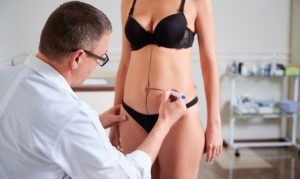
You will receive written instructions on showering, garment wear, and activity limits before the procedure, and the morning of surgery, you’ll meet the anesthesia team, review the plan one final time, and have the incision sites marked while you’re standing up. After the procedure you spend a short time in recovery before going home with pain medication, antibiotics, and a clear schedule for the first follow-up visit.
What questions should I ask during the consultation?
To find out more about your surgeon, ask about their board certification, hospital privileges, and how many exchanges the surgeon performs each year. Request before-and-after photos of patients with body types similar to yours. Always clarify the exact implant brands and styles that you have to choose from and why your surgeon recommends what he does for your case. Ask about the plan for any capsule or pocket work and the expected recovery timeline for your specific case. Also ask how complications are handled, as well.
Will the feeling in my nipples or breast skin change?
Temporary numbness or heightened sensitivity can happen, but for most women, they are only an issue in the first weeks after surgery. That’s because the nerves that travel through the breast tissue get stretched or moved during the exchange. Normal sensation returns gradually over three to six months as the nerves recover.
When can I get back to the gym or heavier exercise?
Light walking should start the day after surgery, as this helps keep your circulation moving. Most patients can resume desk activity and gentle daily tasks within a week. For any work that requires your upper body or lifting more than ten pounds, or any exercise that raises your heart rate or puts strain on your chest, it’s important to wait until your surgeon clears you. That usually happens after four to six weeks.
To learn more for your specific situation, schedule a consultation with Dr. Nir today at Palms Wellington Plastic Surgery. We can examine your current situation, review imaging if needed, and map out an exchange that fits your goals. We serve the Loxahatchee, West Palm Beach, Riviera Beach, Lake Worth, Palm Beach Gardens, Boynton Beach, and Wellington, FL areas.

Medically Reviewed By
Dr. Itzhak Nir, MD FACS
Board-Certified Cosmetic & Reconstructive Plastic Surgeon. Dr. Nir has been serving the Wellington and South Florida community since 2001, specializing in aesthetic surgery of the face, body, and breasts. Learn more about Dr. Nir →