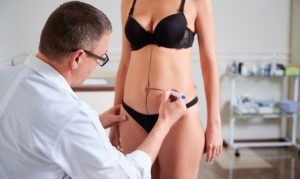
Many mothers here in the South Florida area explore options after childbirth to deal with the unwanted changes to their abdomen and breasts that pregnancy brings. While some of these changes gradually go away after birth, some stick around for some women. Cosmetic surgery can help, but recovery is an important thing to consider. In general, combining procedures is often best because there’s just one surgery and one recovery time.
Recovering From Cosmetic Surgery After Pregnancy: Your General South Florida Timeline
Immediately After
You’ll leave the surgical facility the same day as the surgery or after a short overnight stay, depending on the plan, with bandages that cover the incisions. A surgical bra will support your breasts, and a compression garment will be wrapped around your abdomen. Small drains may sit under the skin to remove fluid, and you or a helper will empty and measure these as directed.
Pain is usually strongest during the first two to three days, and you should discuss with your doctor prior to surgery about ensuring you have appropriate prescription medication to keep it manageable. Don’t rely on Tylenol and ibuprofen, and take your prescription pain medication on schedule for the first few days rather than waiting for the discomfort to build up. It’s more effective that way and you’ll end up needing less to deal with the pain.
You can expect some tightness across the chest and a pulling sensation through the abdomen. Standing fully upright often feels restricted because the abdominal muscles have been repaired, but short walks inside the house several times a day are important and will help to lower the risk of blood clots and keep your lungs clear. Sleep on your back with your upper body slightly raised, and avoid twisting, reaching overhead, or lifting anything heavier than a few pounds.
Week 1
By the end of the first week, most people notice the sharp discomfort is gone. Swelling is still obvious at this point, the breasts typically sit high and firm, and the abdomen still prefers a slightly bent posture. Drains, if they were placed, usually come out between days five and seven once the output drops. Keep walking lightly during this time, and you can usually shower once your surgeon clears you for it. This is usually after a couple of days, as long as you make sure the incision sites are not getting soaked for long periods.
Wear the compression garments exactly as instructed, as they help to control the swelling and give the healing tissues some needed support. Focus on protein-rich foods and steady hydration at this time. Constipation is common from the pain medicine and reduced activity, so getting some fiber and stool softeners will make a difference. You’ll still need full-time help with young children during this time, as lifting a toddler or even a laundry basket is still off-limits. Driving is not safe while you are taking prescription pain medicine or while abdominal tightness might limit your quick reactions.
Week 2
During the second week, you’ll usually notice your energy improving as your swelling starts its slow decline and the bruising begins to fade. Many people find they can stand more upright and move around the house with less effort at this point. You may be able to return to desk work or do other sedentary jobs toward the end of this week if your surgeon agrees and you feel steady enough.
Continue wearing the surgical bra and abdominal garment, and avoid raising your arms high or engaging the chest muscles. Short car rides are often fine at this point once you are off narcotics and can turn the wheel without straining anything. You’ll still need help with childcare for any lifting or active play. Light household tasks such as folding laundry at table height are usually tolerable by this point. During this time, be sure to watch your incision lines for increasing redness, drainage, or fever, and contact the office right away if any of those appear.
Weeks 3 and 4
By the third and fourth weeks most patients feel noticeably stronger. Your swelling continues to drop, your breasts begin settling into a more natural position, and the abdominal tightness eases enough that standing straight feels normal for longer stretches of time. You may be able to return to non-physical work during this window, and driving is usually cleared once you can brake and steer comfortably. Light lower-body movement such as easy outdoor walking or stationary cycling may be allowed, though you’ll still need to avoid upper-body exercise, running, and anything that strains your core.
You can handle more of the daily routine at home, but you should still avoid lifting more than about ten pounds. If your children are small, keep relying on help for carrying them. Scar care often begins around the three-week mark, and your doctor may give you specific things to be doing to help move things along with your abdomen or breasts.
Weeks 5 and 6
By the fifth and sixth weeks you’ll notice the swelling has decreased substantially. Your abdomen and breasts will look closer to their final shape at this time, though subtle changes will continue for months. Your energy levels should start to support a fuller day of normal activities, and most people can resume full desk or light-duty work by this stage. You may be able to wear the compression garments part-time or discontinue them at some point in these weeks, based on your individual progress. You should still wait until the six-week point or later before doing any heavy lifting, core work, or high-impact activity.
Practical Tips That Support Healing
-
Wear the garments exactly as directed, as they help reduce fluid buildup and give the tissues the support they need.
-
Walk every day, even if only short indoor loops at first, because good circulation lowers clot risk and helps your body recover.
-
Focus on eating protein, getting vitamins, and drinking plenty of water so your tissues have what they need to repair.
-
Avoid alcohol and nicotine completely during the early weeks.
-
Sleep on your back until you are cleared.
-
Bring questions to every follow-up visit: if you think of one at any time, write it down.
-
Watch for warning signs such as sudden increased pain on one side, fever, unusual drainage, shortness of breath, or calf swelling.
If you care for young children, line up reliable help for the first two to three weeks and plan some quiet activities that keep kids occupied without requiring you to lift or chase them. Many mothers find that preparing freezer meals and arranging for temporary childcare before surgery removes a major source of stress.
Recovery from any surgery takes some time, but the long-term results are well worth it. Before you know it, you’ll feel like “you” again in a way you haven’t experienced since before your children were born. It’s important to talk with an experienced surgeon about whether this combination of procedures is right for you. Schedule a consultation with Dr. Itzhak Nir today at Palms Wellington Plastic Surgery so we can review your specific situation, answer your questions, and show you a three-dimensional preview of possible outcomes.

Medically Reviewed By
Dr. Itzhak Nir, MD FACS
Board-Certified Cosmetic & Reconstructive Plastic Surgeon. Dr. Nir has been serving the Wellington and South Florida community since 2001, specializing in aesthetic surgery of the face, body, and breasts. Learn more about Dr. Nir →