Preparing for Your Wellington Plastic Surgery Consultation
Why Preparation Matters Before Your Consultation
A plastic surgery consultation is far more than a simple meet-and-greet. This one-on-one appointment with a board-certified plastic surgeon is the foundation for everything that follows, from establishing safety protocols to making sure your expectations about what surgery can achieve are realistic and clear.
The first step toward any procedure begins long before you enter the operating room. Your initial consultation determines whether you are a good candidate for surgery, whether a particular surgeon is the right fit for your needs, and whether your goals align with what the procedure can deliver. Coming prepared helps ensure you get clear answers to your most important questions and concerns. When patients arrive unprepared, they often leave with unanswered concerns and unrealistic expectations, and professional organizations have linked that to over 20% of postoperative dissatisfaction cases.

Research the Procedure and Surgeon
Before your plastic surgery consultation is even scheduled, dedicate some time to research. Ideally, you’ll begin this process two to four weeks before booking your appointment.
Verify
Verifying your surgeon’s credentials is a non-negotiable. The American Board of Plastic Surgery is the only plastic surgery board recognized by the American Board of Medical Specialties, making it the gold standard for certification in the United States.
As of 2026, approximately 7,000 surgeons hold active ABPS certification. Within the plastic surgery industry, maintaining these credentials demonstrates a surgeon has a commitment to the highest standards and ongoing professional development.
Connections
Beyond certification, it is important to confirm that a surgeon has privileges at accredited local hospitals, which indicates they have undergone rigorous peer review.
Over 90% of board-certified plastic surgeons operate in Joint Commission-approved facilities, and that credential signals that they always keep to the strictest safety standards. You can find this information on hospital websites or by calling the surgeon’s office directly.
Specific Field
For procedure-specific research, prioritize surgeons who have a presence and have been vetted by professional association websites like the American Society of Plastic Surgeons, rather than just checking unverified social media claims. These sources provide realistic ranges for recovery times, typical scarring patterns, and common risks, as well.
Consider Needs
Before your plastic surgery consultation, it’s important to take a few hours to research the procedure you want and think through your questions and concerns as well as the benefits you’re looking for. Review recent before-and-after galleries to evaluate consistency in patients with similar profiles to yours.
Clarify Your Goals: Important Questions
Clearly defined goals turn your consultation from a vague conversation into a productive planning session. When you can articulate exactly what “success” looks like for you, the surgeon can give you recommendations that will work and explain whether the outcomes you’re looking for are achievable given your anatomy and the procedure’s limitations.
The Mirror Test
It’s recommended to perform a mirror test before your consultation, where you assess what you like and dislike about your appearance to communicate your goals clearly to the surgeon. Stand in front of a well-lit mirror for 10-15 minutes and write down your observations.
Note what you appreciate about your features, perhaps your eye shape or cheekbones, and what bothers you, such as a nasal hump or abdominal skin laxity.
Bring a Reference
Bringing visual references, such as pictures of desired outcomes, as this can help communicate your goals to the surgeon. Curate 3 to 6 reference photos showing results you find attractive. Where possible, select images of people with similar body type, age, and ethnicity to you, because that will help you account for anatomical variations.
Surgeons report that when references are mismatched, such as when a client shows them photos of someone with a completely different body structure, it leads to significantly more revisions due to unrealistic projections.
Subtle or Dramatic?
Consider whether you want subtle refinement or dramatic transformation. Softening a nasal hump is different from completely reshaping a nose. Understanding this distinction helps you evaluate whether the scope of surgery matches your expectations.
Motives
Finally, reflect on your underlying motivations. Are you seeking to feel more proportionate in fitted clothing after weight loss? Improve breathing function? Restore your body after pregnancy?
Sharing this context with your surgeon allows them to help you with planning. When your psychological and physical drivers are moving in the same direction, you’re more likely to be satisfied with the outcome.
Keep Weight Stable
Getting and staying at a stable weight close to your ideal weight is important for optimal cosmetic results that last after surgery, so consider whether the timing is right for your procedure.

Medical History and Current Medications
Complete honesty about your health, even when it feels embarrassing, is essential. Incomplete medical histories are linked to 15-20% of perioperative complications, and your surgeon cannot protect you from risks they do not know about.
Prepare a detailed medical history, including past surgeries, chronic conditions, and family history of anesthesia complications, and create a comprehensive medication list that covers the past 30 days. This should include all your prescription medications with their exact dosages, but also any over-the-counter remedies, herbal supplements, and vitamins you might take.
Having an annual physical and being up to date on routine labs and testing can help assess if you are in good health and ready for surgery. Bring in any recent lab results or physical examination records, particularly if you are over 40 or managing conditions like hypertension or sleep apnea.
Discussing your health and medical history with your surgeon is crucial to ensure that you are a suitable candidate for surgery and to minimize potential risks. Be truthful about lifestyle factors and think them through as you’re preparing for a plastic surgery consultation, because nicotine, cannabis, heavy alcohol consumption, and more can compromise your procedure and the benefits.
What to Expect During the Consultation Visit
Your consultation visit will typically unfold over 45 to 90 minutes. After check-in and completion of paperwork, you will be asked to prepare for standardized medical photographs. This often means removing makeup, jewelry, or glasses for accurate facial or body assessment. These photos become part of your medical record and help document your starting point.
As the head of the medical team, the surgeon will guide you through the evaluation and planning process. The surgeon will review your medical history and then perform a focused physical examination tailored to your desired procedure.
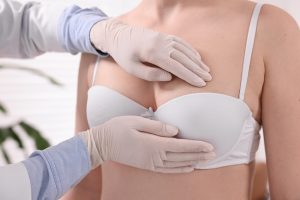
For breast surgery, this might involve caliper measurements to assess volume. For body contouring, expect pinch tests to evaluate skin elasticity. Tummy tuck candidates will have their abdominal muscles palpated to check for diastasis (separation). Facial procedure patients undergo nasal structure analysis or skin quality assessment. The examination helps the surgeon determine what is technically achievable given your unique anatomy.

Questions to Ask Your Plastic Surgeon
Bringing a list of specific questions to your consultation can help ensure you get all the information you need from your surgeon and get some firm answers to questions about things like pain management, costs, how long you’ll need to rest, and more.
Group your questions into categories for organized discussion:
Questions about qualifications: What is your board certification status? How many years have you been in practice? How many of this specific procedure do you perform per month or per year? (Surgeons performing 50 or more cases annually tend to have half the complication rates of lower-volume practitioners.)
Questions about safety: Where will the surgery be performed? Is the facility accredited by the Joint Commission or AAAASF? What type of anesthesia will be used, and who will administer it? What emergency protocols exist at the facility? Is the staff ACLS-trained?
Questions about your candidacy: What are the criteria for a good candidate? Do you have tips for getting the most out of my surgery? How much space should I make in my life for recovery by avoiding certain activities?
Questions about outcomes and recovery: What is the typical pain level, and how is it managed? Where will scars be located, and how do they mature over time? What is the realistic timeframe for resuming work, exercise, and driving? What happens if a revision is needed, and what is your revision policy? Will you give me further information at the time of surgery?
Questions about communication and follow-up: How does your office handle after-hours concerns? Is there a 24/7 contact line? What is the follow-up visit schedule through the first postoperative year? How are postoperative photos handled and stored?
FAQ
How far in advance should I schedule my plastic surgery consultation?
Most patients should book their consultation two to three months before their ideal surgery date. For high-demand periods like summer vacation, December through January holidays, or school breaks in June, August, or March, plan four to six months ahead.
Many people like to plan their surgery during the fall months of September and early October. At that time of year, the climate isn’t great for going to the beach, anyway, but there’s still plenty of time for full recovery before the arrival of all those holiday guests to the house!
Complex procedures or combined surgeries like a “mommy makeover” may require extra planning and preoperative testing, so earlier booking is wise.
What should I wear to my consultation?
Wear comfortable clothing that is easy to remove if needed. For breast consultations, a front-closing top works well. For body-contouring evaluations, choose loose pants or a skirt. Avoid heavy makeup, spray tans, or complicated hairstyles for facial consultations, since the surgeon needs clear, unobstructed views and will take standardized photographs.
Bring or wear undergarments similar to what you typically use, such as your everyday bra or sports bra, to help with realistic sizing and planning.
Is it okay to have a virtual consultation?
Many surgeons now offer initial virtual consultations via video call for out-of-town or busy patients. These are useful for preliminary discussions and photo reviews. However, a physical examination is still required before surgery can be scheduled, so a second, in-person visit is usually necessary even if your first meeting is online.
For virtual appointments, ensure you have good lighting, a stable internet connection, and privacy. Ask how to submit photos securely beforehand, as most practices have specific guidelines for clinical photography.
If you’re ready to discover more and get all your questions answered about plastic surgery,schedule a consultation with Palms Wellington Plastic Surgery in Wellington, FL today to talk to Dr. Nir.

Medically Reviewed By
Dr. Itzhak Nir, MD FACS
Board-Certified Cosmetic & Reconstructive Plastic Surgeon. Dr. Nir has been serving the Wellington and South Florida community since 2001, specializing in aesthetic surgery of the face, body, and breasts. Learn more about Dr. Nir →