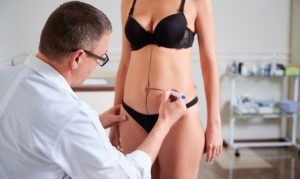
Recovery from plastic surgery is just as important as the procedure itself. Whether you are preparing for breast augmentation, a tummy tuck, rhinoplasty, or a facelift, the weeks following your operation determine how well your body heals and how satisfied you will be with your final results. Here’s a few practical plastic surgery recovery tips you can start using immediately to support a smoother recovery and achieve the best possible results.
Understanding the Recovery Process
The recovery process after cosmetic surgery follows some predictable phases, though the exact timeline will always vary a bit by procedure and individual.
First 24 Hours
During the first 48 hours, most patients experience some grogginess from anesthesia, along with initial swelling that requires rest and close attention to postoperative instructions.
First Few Weeks
The first one to two weeks see a bit of visible bruising and edema, and it’s common to feel a bit tired during this time. By four to six weeks, the majority of the swelling will have subsided, and most patients return to their normal routines.
Patient Variables
Every patient heals differently based on factors including their age, overall health, the surgical technique used, and how closely they follow their care plan. Research suggests that approximately eighty to ninety percent of facial swelling resolves within the first month after procedures like facelifts, while body contouring surgeries may take three to four months. Your surgeon’s instructions always outweigh general online advice, though, because they can account for your specific anatomy, the procedure details, and your personal health history.
Follow Your Surgeon’s Instructions First
The single most important recovery tip is deceptively simple: follow the individualized postoperative plan your surgeon provides at discharge. These detailed aftercare instructions exist because your surgeon knows exactly what was done during your procedure and what your body needs to heal properly. The instructions typically cover how to care for dressings, when you can shower, how to position yourself for sleep, and what activity limits to respect during each phase of recovery.
Written postoperative instructions will be given to you, and these usually explain when to change bandages, how to clean incision sites, and which warning signs require an urgent call to your care team. For example, if you develop a fever above 100.4 degrees Fahrenheit, get sudden, severe swelling on one side, or have calf pain, that could indicate blood clots. A tummy tuck patient might receive specific guidance, such as no lifting more than ten pounds for two weeks, while a facelift patient may be told to avoid bending forward to prevent increased facial pressure.
Bring a notebook or use your phone’s notes app during your pre-op materials review or pre-discharge visit. Write down your medication schedule, drain care details (if applicable), and all scheduled appointments for follow-ups. This prevents confusion when you are groggy from anesthesia and cannot recall verbal instructions clearly. Do not add herbal supplements, over-the-counter pain relievers like ibuprofen or aspirin, or home remedies without clearing them with your surgeon first. These can increase bleeding risk or interact dangerously with your prescribed medications.
Rest, Positioning, and Gentle Movement
The first few days after surgery, you should prioritize rest above almost everything else. Your body dedicates enormous energy to tissue repair during this period, and pushing yourself too hard can delay healing and increase the possibility of developing complications.
Optimal sleeping and resting positions depend on your specific procedure. Patients recovering from rhinoplasty or facelifts should keep their head elevated at twenty to forty-five degrees to minimize swelling and reduce pressure on facial tissues. Using extra pillows or a recliner helps you maintain this position throughout the night. After a tummy tuck, surgeons typically recommend sleeping with a slight bend at the hips and knees to reduce tension on the abdominal incisions. Breast surgery patients often do best sleeping on their back with their upper body elevated, avoiding any pressure on the chest area.
During the first week, focus on taking only very short walks around your home, starting the same day or the day after surgery if your surgeon approves. These brief walks, even just to the bathroom and back a few times daily, help maintain blood flow and reduce the clot risk without straining your body. Avoid stairs and uneven surfaces until your balance and strength return. By weeks two through four, you can usually gradually increase your activity level, adding slightly longer walks and light household tasks while still avoiding strenuous activities, heavy lifting, and anything that causes pain or pulls at your incisions.
Nutrition, Hydration, and Lifestyle Choices
What you put into your body plays a significant role in how quickly and completely you recover from cosmetic surgery. Preparing a week’s worth of easy, nutritious meals before your procedure removes the stress of cooking during your most vulnerable days. Focus on lean proteins like chicken, fish, eggs, and Greek yogurt, which provide the amino acids essential for wound healing and collagen synthesis. Research suggests aiming for approximately 1.5 grams of protein per kilogram of body weight daily to support optimal tissue repair.
Colorful vegetables, fruits, and whole grains provide vitamins, minerals, and antioxidants that support your immune system and reduce inflammation. Avoid processed foods high in sodium, which can worsen swelling and make you feel sluggish. Staying hydrated is equally critical. Aim for drinking plenty of water, herbal tea, and broths throughout the day. Many surgeons recommend getting two to three liters of fluid daily during the acute recovery phase to help flush toxins and support cellular function.
You should avoid alcohol completely for at least the first one to two weeks after surgery and throughout the entire time you are taking medications, particularly prescription pain medications. Alcohol consumption thins the blood, increases bleeding risk, and can interact dangerously with many drugs. Equally important is the instruction to avoid smoking and all nicotine products for at least two to four weeks before surgery and a minimum of four weeks afterward. Smoking reduces blood flow to healing tissues by causing vasoconstriction, which dramatically increases the risk of wound breakdown, poor scarring, and infection. Studies indicate that smokers heal twenty to thirty percent slower than non-smokers, making this lifestyle change one of the most impactful things you can do for your final outcome.
Managing Pain, Medications, and Wound Care
Pain and Discomfort
Some discomfort, tightness, and swelling are completely normal after plastic surgery. The goal is not to eliminate all sensation but to manage pain effectively so you can rest, move gently, and heal. Most patients find that pain management follows a predictable pattern: the first forty-eight to seventy-two hours require scheduled prescription medication, after which discomfort decreases enough to transition to acetaminophen or other surgeon-approved, over-the-counter options.
Medications
A typical pain-control plan involves taking medications as prescribed rather than waiting until pain becomes severe. Taking medications on schedule keeps pain at manageable levels and helps you rest more comfortably. Always respect maximum daily doses and never combine multiple pain relievers without explicit guidance from your surgeon. Fill all prescriptions, including antibiotics and anti-nausea medication, before surgery day so you can go straight home from the surgical facility without stopping at a pharmacy.
Wound Healing
Basic wound care follows consistent principles: keep all incisions clean and dry as instructed, change dressings with thoroughly clean hands, and avoid soaking in bathtubs, swimming pools, or hot tubs until your surgeon clears you, which typically happens around the two- to three-week mark. Check your incisions daily for signs of proper healing or emerging concerns. Contact your practice immediately if you notice rapidly increasing pain on one side, foul-smelling drainage, spreading redness around an incision, or anything else that doesn’t seem right. These could indicate hematoma formation or infection. This isn’t a big risk (they only occur in a very small percentage of cases), but they do require prompt attention to avoid complications.
Planning Your Home, Help, and Time Off
On the Day
Successful recovery starts with preparing well before your procedure. Arrange for a responsible adult to drive you home from the surgical facility, as you will not be able to drive yourself after anesthesia. This person should stay with you for at least the first twenty-four hours and ideally longer, helping with bathroom trips, meal preparation, and medication timing. Having someone available to ease discomfort by bringing you water, adjusting pillows, or simply providing reassurance makes the first days far more manageable.
Arrange Your Area
Create a recovery nest near a bathroom with everything you need within arm’s reach. This includes your medications, water bottles, your phone and charger, tissues, light snacks, and a small trash can. The less you need to get up and move around during the first few days, the more energy your body can devote to healing. Choose the right clothes in advance, selecting loose, comfortable garments that button or zip in the front so you do not have to raise your arms overhead or pull anything over your head.
Work
Most patients need more time off work than they initially expect leading into surgery. Many breast and facial procedures require at least five to seven days away from work, while a tummy tuck and more extensive body contouring often need ten to fourteen days or longer, particularly for physically demanding jobs.
Around the House
Arrange for help with childcare, pets, and household chores, including laundry, vacuuming, and grocery shopping, for at least the first week. Bending, lifting more than five to ten pounds, and stretching your arms over your head are not something you want to do during this period.
Follow-Up Visits, Compression, and Emotional Recovery
Appointments
Follow-up appointments are essential components of your care. Most surgeons schedule visits within a few days after surgery to assess your early healing, remove drains if applicable, and answer questions. Additional appointments typically occur around one to two weeks post-surgery, when sutures are often removed and you receive updated activity guidelines. A visit at four to six weeks allows your surgeon to evaluate your progress and clear you for more strenuous activities and potentially your final compression garment schedule.
Compression Garments
Speaking of compression, patients undergoing body contouring, liposuction, or certain breast procedures will typically wear a compression garment for four to six weeks. This supportive garment helps reduce swelling, limits excess fluid accumulation, and supports your new contours as tissues settle into their final positions. Many surgeons recommend wearing compression around the clock for the first few weeks, then transitioning to daytime-only wear. The garment may feel restrictive, but most patients find it provides welcome support and helps clothes fit more comfortably during recovery.
Emotional Recovery Process
Many patients experience post-op blues during the first week when swelling and bruising peak and their reflection looks nothing like the results they anticipated. Feeling tearful, anxious, or even regretful during this phase is entirely normal and does not predict your long-term satisfaction. Remember that your immune system is working hard, your sleep is disrupted, and you may be taking medications that affect your mood. Final results often take three to six months to fully appear, so judging your outcome too early just creates unnecessary worry.
Your recovery experience shapes your final outcome just as much as the surgical technique performed by your board-certified surgeon. By following your surgeon’s instructions, prioritizing rest while maintaining gentle movement, eating well, staying hydrated, avoiding nicotine and alcohol, wearing your compression garment as directed, and attending all follow up appointments, you give yourself the best possible chance at optimal results. Talk to us today at Palms Wellington to learn more.

Medically Reviewed By
Dr. Itzhak Nir, MD FACS
Board-Certified Cosmetic & Reconstructive Plastic Surgeon. Dr. Nir has been serving the Wellington and South Florida community since 2001, specializing in aesthetic surgery of the face, body, and breasts. Learn more about Dr. Nir →