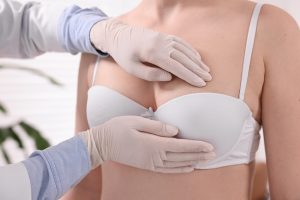
If you’re unsure whether you still want your breast implants, Palms Wellington Plastic Surgery in Wellington, Florida, is here to help. We’ve guided many women who decided their implants no longer fit their health goals or lifestyle, and we can help you explore your options too.
There are many reasons people consider implant removal. Some patients are concerned about symptoms they’re experiencing, others want a different size or shape, and some are addressing implant age or changes in breast tissue over time. If you’re wondering whether your implants could be contributing to how you feel, you’re not alone.
Signs That Your Breast Implants Are Making You Sick
Many women get breast implants in their younger years and choose to remove or replace them later. Surgical techniques and implant technology have evolved since the early 2000s, and it’s reasonable to revisit your options as your body and priorities change. Below are common concerns we discuss with patients, along with when to seek an evaluation.
If you’re worried your implants may be related to your symptoms, schedule a personalized consultation at Palms Wellington Plastic Surgery. We’ll review your health history, examine your implants, and discuss whether removal, replacement, or continued monitoring may be appropriate for you.
Breast Implant Illness (BII)
Breast Implant Illness is a term used by patients and surgeons to describe a constellation of systemic symptoms reported by some individuals with breast implants (saline or silicone). The FDA acknowledges these patient reports but BII is not currently a formally recognized medical diagnosis, and a specific causal mechanism has not been confirmed. Reported symptoms can include fatigue, “brain fog,” joint or muscle pain, rashes, hair thinning, dry eyes or mouth, sleep disturbances, and anxiety or depression. Because these symptoms overlap with many other medical conditions, a thorough evaluation is important.
Management is individualized. Treating identifiable issues such as implant rupture, capsular contracture, or infection may help. Some patients choose implant removal (explantation), with or without capsulectomy. Many patients report improvement after explantation, but outcomes vary and improvement is not guaranteed. Discuss your goals, symptoms, and medical history with a board-certified plastic surgeon to determine the best path forward.
BIA-ALCL (Breast Implant–Associated Anaplastic Large Cell Lymphoma)
BIA-ALCL is a rare but confirmed lymphoma that can develop in the scar tissue and fluid around a breast implant. It is not breast cancer. Most cases have been associated with textured implants. Symptoms typically include new or progressive breast swelling (often due to fluid around the implant), a mass, pain, or capsular tightness—usually years after the initial surgery. If you notice these changes, seek prompt evaluation.
Evaluation may include a physical exam and imaging (such as ultrasound) to look for fluid or a mass. If fluid is present, it is tested for specific markers. When diagnosed early, treatment usually involves removal of the implant and the surrounding capsule; oncology consultation may be recommended. Routine removal of symptom-free textured implants is not universally recommended, so discuss your individual risks and options with your surgeon.
Autoimmune-Type Symptoms
Some patients with implants report symptoms that resemble autoimmune or rheumatologic conditions, such as joint stiffness, dry eyes or mouth, or rashes. Research on a direct association between implants and autoimmune disease remains mixed. If you have a personal or family history of autoimmune illness, or if these symptoms are new, consult your primary care physician and a board-certified plastic surgeon; a multidisciplinary approach (including rheumatology when appropriate) may be helpful.
Weight Gain
Breast implants add their own weight to the body, but there is no evidence that implants slow metabolism. Changes in body weight are more commonly related to diet, activity level, hormones, or life changes. Removing implants will reduce your body weight by the weight of the implants themselves and may change your proportions or how clothing fits. Significant or unexplained weight changes should be discussed with your physician.
Fatigue
Fatigue is a common, non-specific symptom with many possible causes, including sleep issues, anemia, thyroid changes, stress, infection, or implant-related complications such as rupture or capsular contracture. If you’re experiencing persistent fatigue—especially alongside breast changes like swelling, firmness, or pain—schedule an evaluation to identify potential causes and discuss options.
Depression and Mood Swings
Mood changes can be influenced by stress, sleep, hormones, chronic pain, and body image. Some patients report feeling better after implant removal, while others do not notice a change. Because results vary, it’s important to address mental health concerns with your physician and discuss surgical decisions with your plastic surgeon.
Physical Symptoms
Patients concerned about BII commonly mention symptoms such as skin rashes, hair thinning, joint or muscle aches, headaches, chest tightness, or sensitivity to certain foods or chemicals. These symptoms can have many causes, so a comprehensive medical workup is recommended. Sudden breast swelling, a new mass, persistent redness, drainage, fever, or significant asymmetry should be evaluated promptly.
Why Do People Get Their Implants Removed?
Reasons vary and often include suspected rupture, visible rippling, capsular contracture, shifting position, changes in breast tissue with age, or a desire for a different size or a more natural look. Some patients pursue removal due to systemic symptoms they attribute to their implants. Explant surgery is a personal decision and is becoming more common as patients reassess long-term goals.
During your consultation, we will review your medical history and perform an exam. When appropriate, imaging such as ultrasound or MRI can help assess implant integrity (especially for silicone implants). We’ll discuss options that may include implant removal alone, partial or total capsulectomy, implant exchange (often to a smooth device), and mastopexy (breast lift) to refine shape. Recovery, scarring, and results vary based on your anatomy and the chosen procedure.
Upgrade Implants
Some patients choose to upgrade their implants—switching size or profile, moving from textured to smooth surfaces, or selecting newer-generation devices—to better match their current aesthetic goals. Implants are not lifetime devices; they may require replacement over time for reasons such as rupture, capsular contracture, or a change in preference. A consultation with a board-certified plastic surgeon can help you weigh the benefits and risks of upgrading versus removing your implants.
If you’re concerned your breast implants may be contributing to symptoms, the first step is a thorough evaluation. Schedule a consultation with Dr. Itzhak Nir, MD, FACS at Palms Wellington Plastic Surgery in Wellington, FL. Together, we’ll review your health, discuss your options, and create a plan that aligns with your priorities. In many cases, thoughtful evaluation and tailored treatment—surgical or non-surgical—may help you feel and function better. Results vary, so please consult your surgeon and healthcare team to determine the best approach for you.

Medically Reviewed By
Dr. Itzhak Nir, MD FACS
Board-Certified Cosmetic & Reconstructive Plastic Surgeon. Dr. Nir has been serving the Wellington and South Florida community since 2001, specializing in aesthetic surgery of the face, body, and breasts. Learn more about Dr. Nir →